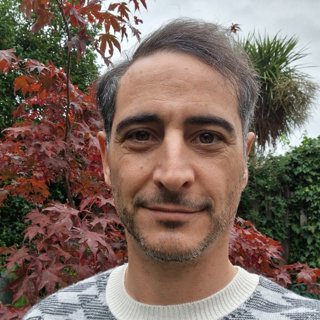
Mark Heinersdorff started his fieldwork career with 12 years of experience as a mining geologist in the Australian outback. This period was interspersed with numerous multi-day hiking expeditions around the world, a highlight being a seven-day trek through New Zealand’s Fiordland National Park.
More recently, his focus has shifted towards environmental research, completing a Master’s degree investigating the socio-ecological systems of Zanzibar’s coastal mangrove forests, followed by a current PhD at the University of Nottingham examining carbon stocks across Brazil’s Pantanal wetland.
His PhD fieldwork has involved three separate month-long expeditions into the Pantanal, the world’s largest contiguous tropical wetland, funded by the RGS’s Gilchrist award. Working alongside small teams of local experts, he traversed it's notoriously difficult terrain by 4×4 and boat, to access the region’s most remote locations and share its diverse mosaic of forests, savannas, grasslands and wetlands with the highest concentration of Jaguars in the world. The expeditions combined extensive soil sampling with terrestrial LiDAR scanning to quantify carbon stored both below and above ground.