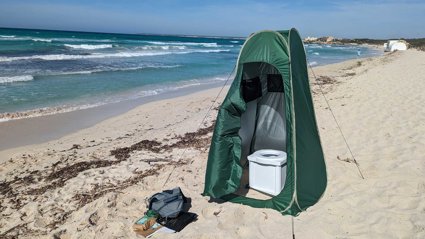
Inclusive fieldwork starts before you leave the classroom
Fieldwork can be one of the most memorable parts of studying geography. It gives students opportunities to learn differently, work together, build confidence and importantly, apply concepts learned in the classroom to their experiences of geography in the field. But students do not necessarily arrive at fieldwork from the same starting point.
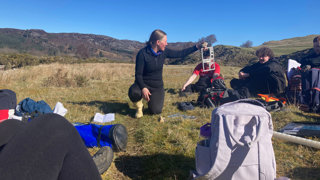
At the University of Glasgow, our work on inclusive fieldwork began by listening to students about the things that could make participating in field classes more difficult. Some barriers were familiar, including cost, disability or anxiety. Others were rarely talked about openly: periods, access to toilets, religious observance, having the right outdoor clothing, confidence, or simply not knowing what to expect.
A key lesson has been that inclusive fieldwork is not primarily about responding when an individual student tells us that they have a problem. It is about anticipating that a group of students will have different needs and building that into fieldwork design from the beginning. It also enables environmental sustainability and local environmental impacts of field classes to be considered from the outset.
What might this look like in practice?
Many of the changes can be relatively small. Before a field trip, give students clear information about what the day will involve. Where will toilets be available? How physically demanding will activities be? What clothing and equipment will they need? What will happen if someone needs a break or cannot take part in a particular activity? How can prayer time be accommodated? How will they ensure they tread lightly on the environment when doing fieldwork?
It is also worth considering the assumptions hidden within an equipment list. Asking every student to arrive with waterproofs, walking boots or other specialist equipment may create a financial barrier. At Glasgow, our Field Kit Library allows students to borrow some clothing and field equipment rather than having to purchase everything themselves. A smaller-scale school version could involve maintaining a shared collection of waterproofs, bags or other commonly required items.
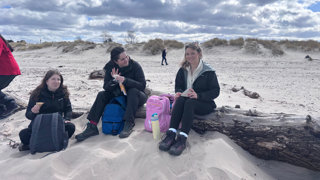
Menstrual health is another area that can easily remain invisible. Our Going with the Flow project has explored how periods affect experiences of fieldwork and developed resources to help make menstruation a normal part of fieldwork preparation. Teachers can help by talking openly about toilet access and breaks, carrying emergency period products and considering privacy and disposal when planning field activities.
Most importantly, students need an easy way to tell someone what they need. Rather than requiring a student to identify themselves as having a particular problem, teachers can ask everyone the same question before fieldwork, via an anonymous platform like Slido, Menimeter or MS forms: ‘Is there anything that would help you participate fully and comfortably in this field trip?’
These small shifts help us recognising from the outset that every group contains people with different bodies, experiences, resources and responsibilities.
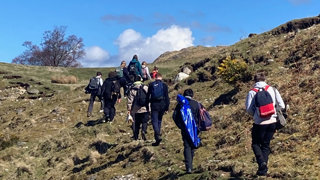
Inclusive fieldwork is better fieldwork
At Glasgow, these ideas have developed into an Inclusive Fieldwork Code of Practice, a Library of Good Practice, the Going with the Flow project on menstruation and fieldwork, and Field Kit Library to reduce barriers to the financial cost of fieldwork. They were developed for university field teaching, but many of the underlying questions and considerations are just as relevant in schools.
The aim is not to produce an ever-longer checklist for teachers. It is to build a culture in which we routinely ask who might find it difficult to participate, what barriers we can anticipate, and what relatively simple changes could remove them.
The Royal Geographical Society's principles for undergraduate fieldwork similarly emphasise that fieldwork should be planned to be as inclusive and accessible as possible. Its Accessible and Inclusive Fieldwork resources bring together further guidance and examples for educators.
Ultimately, making fieldwork more inclusive is not separate from providing good geographical education. When more students are able to participate confidently, safely and fully, we create better fieldwork experiences for everyone.
Three questions to ask before your next field trip:
- What are we assuming students already have or know?
- What might make participation difficult?
- Have we given students an easy way to tell us what they need?
Dr Lydia Bach, Dr Millie Bompard, Greg Burgess, Dr Hannah Mathers, and Professor Larissa Naylor, University of Glasgow