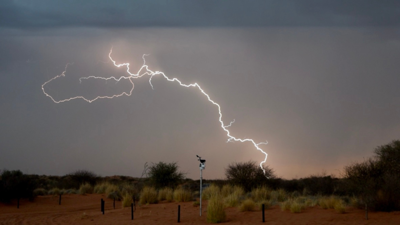
Africa is the continent least responsible for anthropogenic climate change but is highly vulnerable to its effects. With many African countries already experiencing severe droughts, floods or heat stress, scientists are racing to understand how future warming will affect the continent.
A key impediment for scientists seeking to understand climate change is the lack of observations. Compared to other continents, especially in Europe or North America, in situ observations of important climate processes are rare over large parts of the Africa. These data gaps limit the progress that can be made in understanding the past, present and future of Africa climate.
With stories from Kenya, Zambia, and South Africa, this lecture discusses how new sources of observations from fieldwork have led to unexpected insights into African climate change. In keeping with the theme of exploration, we emphasise the value of field observation in an age of simulation.
About the speaker
Callum is climate scientist at School of Geography and the Environment, University of Oxford. His research focuses on African climate and climate change.
- Monday Night Lecture
The growth story of the 21st Century
Challenging the idea that we must choose between climate action and development, Lord Stern will explore why this transformation is essential, what it entails and delivers, and how we can achieve it.
London and onlineMembers + one guestMonday 21 September 2026 - Monday Night Lecture
Exploring volcanoes - Professor Sir Steve Sparks
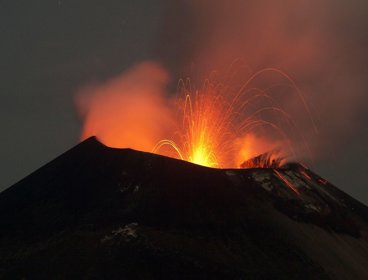
Volcanoes are spectacular evidence that we live on a dynamic planet. There are many ways to explore volcanoes to reveal how they work from sophisticated technology to expeditions to remote places to observe their activity.
London and onlineMembers + one guestMonday 28 September 2026 - Monday Night Lecture
Saving seahorses to help save our seas - Professor Amanda Vincent
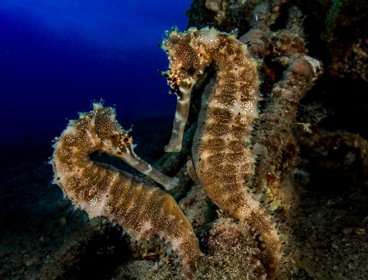
Leading conservationist Professor Amanda Vincent tells a compelling story of blending research, management and policy to make change for ocean life, with the magical seahorses guiding our way.
London and onlineMembers + one guestMonday 5 October 2026