The Andes are the world’s longest continental mountain chain, yet the timing and rate of their uplift remain contested. Competing models suggest either rapid recent surface uplift during the Miocene or protracted uplift beginning in the Eocene.
This talk examines how integrating multiple geological and climatic datasets can reconcile these contrasting views, highlighting the dynamic interplay between tectonics, surface processes, and climate in shaping the modern Andes.
About the speaker
Laura Evenstar studied for her undergraduate geology degree at the University of Leeds before completing her PhD at the University of Aberdeen on climate in the Central Andes.
She went on to hold postdoctoral research positions at both Aberdeen and Bristol before moving into academia as a lecturer, first at the University of Brighton and later at the University of Plymouth.
Her research focuses on understanding of landscape evolution in arid regions globally, specifically examining how climate and tectonics interact to shape landscapes over geological timescales.
Booking information
- Advance booking for this event is not required.
- If you have any questions please email events@rgs.org
This event has been organised by the South West regional committee with The Royal Geological Society of Cornwall and CAMS students at Penryn
Venue information
This event will be held at the University of Exeter Penryn Campus, Treliever Road, Penryn TR10 9FE.
Accessibility at our events
We want everyone to feel welcome at our events. For full details, please visit the venue's accessibility page. If you have any questions or specific access requirements, feel free to get in touch with us on access@rgs.org
- Exhibition
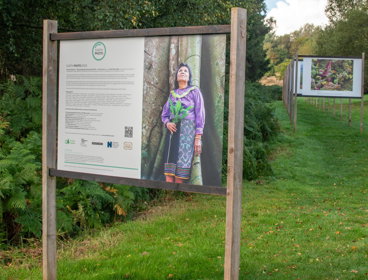
Earth Photo: Haldon
Visit Haldon Forest Park to see a stunning selection of the selected and winning images from this years competition.
ExeterOpen to all17 Oct 2025 - 19 Mar 2026 - Social

Map, chart, slide and artefacts evening
A chance to hear members' own stories, talking for ten minutes about their travels and experiences. Buffet Supper at half time.
ExeterOpen to allWednesday 8 April 2026 - Lecture
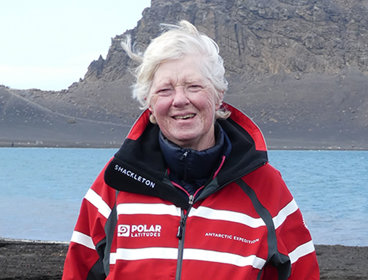
A history of polar exploration in 50 objects - Bath
Anne Strathie will feature objects with connections to Bath’s own polar explorer and the BRSLI’s Franklin expedition artefacts.
Bath and onlineOpen to allThursday 9 April 2026