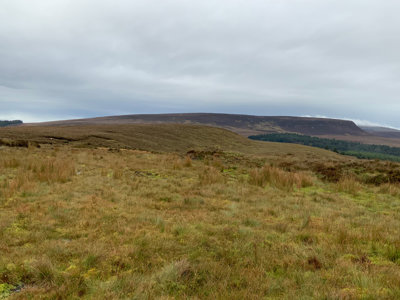
What are wetlands and why are they important?
Broadly defined, wetlands are transitional environments between dry land and water bodies, where (seasonally or permanently) there is partial or complete saturation or inundation by water. Wetlands exist throughout the world in many different forms, and they have great importance for people and nature. However, despite their importance, they are among the most threatened types of environments.
Since 1970, it is estimated that over a third of the world’s wetlands have been lost due to human activities, and the UN also estimates that they are disappearing three times faster than the world’s forests. Yet, in comparison with forests (and especially rainforests such as the Amazon), wetland loss, and the associated problems, tend not to make the headlines to the same extent, so being relatively unknown and under-appreciated by the public at large.
This resource delves into the numerous ways in which wetlands have value, such as for water and carbon cycles, biodiversity, landscape systems, and human well-being.
Wetland restoration and the WaterLANDS project
The UN designated Decade on Ecosystem Restoration runs to the year 2030, and linked with this, efforts to reverse wetland loss are increasing worldwide. This resource also presents and explains methods of wetland restoration, using examples drawn from the EU funded WaterLANDS project’s network of Action Sites. An overview of WaterLANDS is presented here and a location map of the project’s Knowledge and Action Sites is presented here.
The units of this resource each cover a different combination of themes and draw on different wetland restoration examples. They contain a range of stand-alone materials and activities to develop students’ understanding and geographical skills.
Unit 1: Terrestrial peatlands
Themes: carbon storage, drainage basin hydrology and erosion, biodiversity, engagement with local farmers.
Example: Blanket bog restoration in the Cuilcagh-Anierin Uplands (Ireland)
Unit 2: Saltmarsh and coastal lagoons (coming next)
Themes: carbon storage, sea level rise, coastal flooding and erosion, biodiversity, urban and environmental sustainability.
Example: Saltmarsh restoration in the Venice Lagoon (Italy)
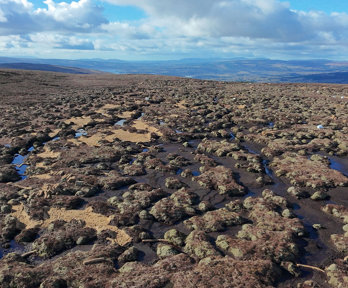
This resource was made possible by support from a Royal Geographical Society (with IBG) Innovative Geography Teaching Grant. It has been developed in partnership with the WaterLANDS project, with University College Dublin, and with We are here Venice. The content was produced through collaboration between David Anderson (Eton College), Shane McGuinness (University College Dublin), and Caitriona Devery (University College Dublin). We are also grateful for the contributions of many other people connected with the WaterLANDS project and with the RGS-IBG.
For an overview of wetlands you can listen to the Ask the Geographer podcast with David Anderson. David talks about how wetlands can provide a nature-based solution to climate change and their importance to an abundance of different species which use them. He reflects on their current status and methods which are being adopted to restore them.