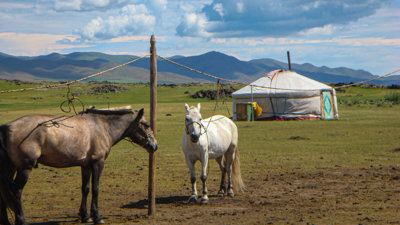
Mitigating the impact of mining in Mongolia on nomadic pastoralists
Researchers at University of Oxford along with multiple stakeholders in Mongolia, are investigating the impact of mining on the nomadic pastoralists of Mongolia through detailing the significant risks faced by these communities.
Issue
Much of Mongolia is home to nomadic pastoralists, but many parts of the country are also used for mining. Mining can result in forced displacement and loss of income for nomadic communities, without adequate compensation.
Further impacts of mining can affect pastoralists’ mental and physical health and their social and spiritual well-being.
Many companies and governmental organisations in Mongolia are often unaware of how mining impacts traditional mobile communities and have little understanding about how to engage with those affected and to manage negative social impacts.
Approach
New research by University of Oxford, in collaboration with Mongolian researchers investigated the social impact of mining, looking specifically at six rural communities in Mongolia and Kyrgyzstan.
Researchers engaged with local human rights and civil organisations to identify key impacts on nomadic communities.
Impact
Research highlighted that mining has a sustained impact on many groups of herders across a wide area.
The work has led to the Mongolian Cabinet office to develop the first Social Impact Assessment (SIA) guidelines, which take account of traditional mobile pastoralist forms of land use and set out routes to engagement with local herders.
A Policy Impact Working Group has been set up which uses this research to develop new policies on compensation, resolving conflict, herder rights, and social impact obligations.
A wider programme of public engagement and knowledge exchange has helped to raise awareness of the social impact of mining, and there is evidence that companies are seeking more information and making unilateral attempts to change their practice.
More information
- Lead researcher: Dr Ariell Ahearn
- Institution: University of Oxford
- Read the impact case study